The Strategy recognises that biodiversity is a vital asset for current and future generations and supports our community through the provision of clean air, reduced urban heat and improved health and wellbeing.
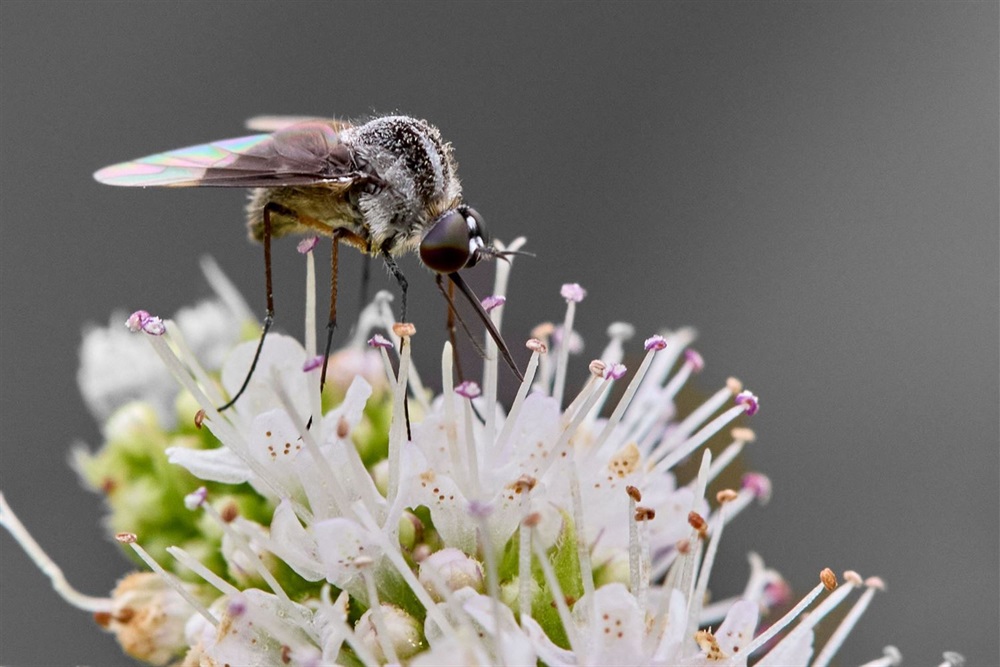
Mosquito populations can sometimes become overabundant and spill into urban areas. We need your help to control them:
- Empty containers: Remove stagnant water from all containers, big or small. Keep outdoor water clean and moving.
- Clean yards: Prevent small pools of water by keeping your yards tidy.
To avoid attracting mosquitoes:
- Flowering plants: Keep them away from house entrances.
- Lights: Avoid leaving lights on near entrances at night.
- Bug zappers: These are often ineffective against mosquitoes and kill other important insects.
For outings, use insect repellent and wear long sleeves. Other deterrents include:
- Smoke coils: Sandalwood or lemongrass incense works well.
- Citronella candles: Effective in repelling mosquitoes.
- Repellent plants: Plant citronella, lemongrass, lavender, or scented geraniums.
If bitten, use hand sanitizer to disinfect and cool the area, apply ice packs, and use antihistamine creams. Seek medical help if swelling persists or in case of anaphylaxis.
Council recognises the role of mosquitoes in the ecosystem. Mosquitoes are vital as prey for many species, feeding small aquatic creatures as larvae and birds, lizards, and bats as adults. They are also pollinators, helping flowers and plants to reproduce.
Why we don’t spray pesticides for mosquito control
Fairfield City Council does not spray pesticides to control mosquitoes due to the possible harmful effects of these chemicals. Here are the main reasons:
- Environmental impact: Pesticides can harm non-target species, reducing biodiversity and affecting the ecosystem’s health.
- Ecological disruption: Pesticides can kill pollinators like bees and butterflies, disrupting ecological cycles and causing cascading effects on other species.
- Bioaccumulation: Pesticides can accumulate in the food web, harming predators that consume contaminated prey.
- Resistance: Mosquitoes can develop resistance to pesticides, requiring stronger chemicals, which can further harm the environment and human health.
Many people feed native birds and animals out of a well meaning desire to care for them. However, wildlife is already well adapted to finding natural food sources and feeding them can cause serious problems for both animals and humans.
Council and other wildlife agencies strongly discourage feeding wild animals for the following reasons:
• Human food can make wildlife sick.
• Animals can become aggressive when they expect food from people.
• Hand feeding spreads diseases between people and animals.
• Wildlife can become reliant on people and lose natural foraging skills.
• Aggressive species can take over and push out smaller animals.
• Regular feeding can disrupt natural migration patterns.
• Old or mouldy food can poison wildlife.
• Food in waterways can cause harmful algae blooms.
• Leftover food attracts rats and mice.
• Feeding areas make wildlife easier prey for predators.
Better Ways to Support Wildlife
If you would like to enjoy and support native wildlife, Council recommends:
• Installing a bird bath to provide fresh water.
• Creating a native habitat garden with plants that naturally supply flowers, fruits, and seeds.
• Using resources from BirdLife Australia, Aussie bird count, which offers advice on developing bird friendly gardens.
Planting a diverse range of native species will encourage local birds and other fauna to feed naturally, supporting healthier wildlife populations and a more balanced ecosystem.
What is a Priority Weed?
Priority Weeds used to be known as Noxious Weeds. Priority weeds impact upon neighbouring properties and surrounding bushland by excluding and competing with native plant, pasture crops and gardens. The plants can be spread by birds, wind machinery, stock feed and storm water.
Biosecurity
2025 Priority Weeds Book(PDF, 17MB)
2025 Priority Weeds Book Vietnamese(PDF, 18MB)
2025 Priority Weeds Book Arabic(PDF, 17MB)
2025 Priority Weeds Book Khmer(PDF, 17MB)
2025 Priority Weeds Book Simplified Chinese(PDF, 17MB)
2025 Priority Weeds Book Spanish(PDF, 17MB)
How does Biosecurity affect me?
From 1st July 2017 the NSW State Government has replaced the Noxious Weeds Act 1993 with the Biosecurity Act 2015. Under the Noxious Weeds Act all landowners had a responsibility to control noxious weeds on their property.
Under the Biosecurity Act, the responsibility is to manage the ‘Biosecurity Risk’ posed or likely to be posed by Priority Weeds, which will be known as a ‘General Biosecurity Duty’. The term ‘Noxious Weed’ will not be used; these are now known as ‘Priority Weeds’ or ‘Biosecurity Matter’.
No space for weeds
Water lettuce
Water lettuce is a free floating aquatic plant with the potential to quickly spread and form a dense mat that can cover an entire body of water.
It causes:
- poor water quality
- less food and habitat for fish and other water life
- blocked irrigation equipment
- problems for boating, fishing and water activities
- more habitat for mosquitos
If you see it, call the NSW DPI Biosecurity Helpline: 1800 680 244
Find out more in this presentation.(PPTX, 4MB)
prickly pear cacti
Did you know that it is a crime to swap or sell prickly pear cacti in NSW?
Prickly pear cacti have sharp spines or barbs that:
- injure people, pets, working dogs and livestock
- injure, cause infections in and kill native animals
- blind animals
- prevent farm animals from grazing
- restrict animals access to shade and water.
To help stop the spread of prickly pear cacti:
- don’t buy, sell, swap or give away prickly pear cacti
- don’t buy, sell, swap or giveaway cacti if you don’t know for sure they are not prickly pears
- let us know if you see any prickly pear cacti being traded
- never dump unwanted plants, ask your local council weeds officer how to dispose of them.
If you've seen them for sale, call the NSW DPI Biosecurity Helpline: 1800 680 244
Find out more in this factsheet.(PDF, 666KB)
Frogbit Weed
Fairfield City Council is asking residents to report any sightings of an illegal water plant, after weed officers detected the presence of Frogbit, in De Freitas wetland near Fairfield City.
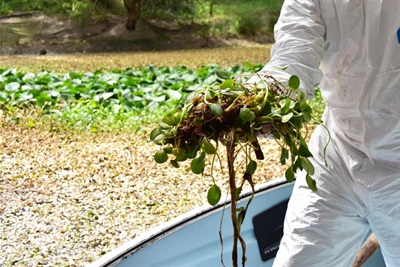
Council officers are working closely with the NSW Department of Primary Industries to ensure a rapid response to the outbreak. Council is calling on the public to help identify and report any other local sources.
According to Fairfield City Mayor Frank Carbone, public assistance is essential to ensure our creeks and waterways remain clear of this weed, considered a major biosecurity threat in NSW.
"The Department have moved swiftly to work with our team of weeds officers to develop a plan of action for surveillance, awareness and treatment," Mayor Carbone said.
"This weed is commonly found in fish ponds, aquariums and water features, but can rapidly invade our precious waterways. In this particular case, the weed looks to have made its way from a nearby property into the De Freitas wetland."
Frogbit originates from fresh water habitats of tropical and subtropical Central and South America. Although in the early stages of establishment in Australia, these weeds have the potential to seriously degrade Australia's ecosystems if left untreated.
Frogbit been banned from sale since 2014. It is classified as a prohibited matter under the Biosecurity Act 2015 and heavy fines apply for offence committed under the act.
To identify the weed, look for smooth, rounded, fleshy green leaves up to 4cm across with sponge-like sections underneath. Images of the Frogbit weed can be found at www.fairfieldcity.nsw.gov.au/environment
To report Frogbit, call NSW Invasive Plants and Animals Enquiry Line 1800 680 244, or Fairfield City Council on 9725 0222.
Invasive Species
The Department of Primary Industry, Local Land Services, Fairfield Council and a number of other Western Sydney Councils presented an invasive species webinar. If you would like to view this webinar, you can watch it here on YouTube.
If you have any further questions or would like to report any suspected invasive species, please send email to Natural Resources naturalresources@fairfieldcity.nsw.gov.au
Report a biosecurity concern
Indian Myna bird
Control of feral animals, including the Indian Myna bird (Acridotheres tristis), in NSW is the responsibility of the land owner/occupier.
See this factsheet on the Indian Myna bird and what you can do to help control them.(PDF, 3MB)